


Understanding the difference between these two categories helps healthcare facilities manage their equipment more effectively while maintaining high standards of hygiene and patient safety.
Reusable medical devices are designed to be used multiple times after proper cleaning and sterilization. These devices are typically made from durable materials that can withstand repeated sterilization processes without losing functionality or safety. Examples include surgical instruments, certain diagnostic tools, and equipment used in medical procedures.
After each use, reusable devices must undergo thorough cleaning, disinfection, and sterilization to remove any biological contaminants. Hospitals and clinics follow strict sterilization protocols to ensure that these devices remain safe for use with different patients.
Reusable medical devices offer several advantages. They can be cost-effective over time because they can be used repeatedly, and they often provide durability and precision required for complex medical procedures. However, they also require proper maintenance and sterilization facilities to ensure patient safety.
In contrast, disposable medical devices are intended for single use only. After being used once, these devices must be safely discarded according to medical waste management guidelines. Disposable devices are commonly used in situations where sterility and infection control are particularly important.
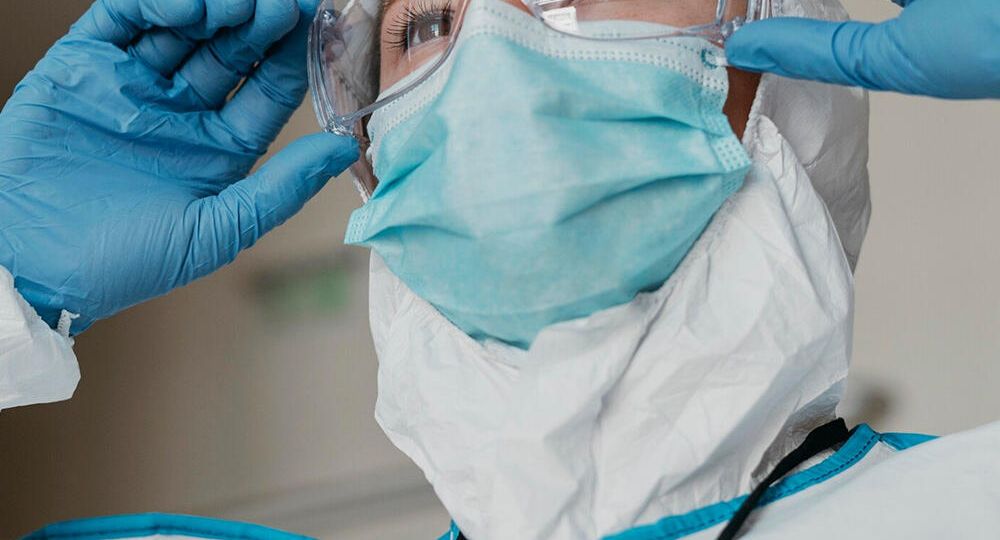
Examples of disposable medical devices include syringes, gloves, masks, catheters, and certain types of surgical instruments. The use of disposable equipment helps reduce the risk of cross-contamination and infection between patients.
Disposable devices are particularly valuable in high-volume healthcare environments where maintaining strict hygiene standards is critical. By using single-use devices, healthcare providers can minimize the risk of transmitting infections and improve patient safety.
Both reusable and disposable devices play important roles in healthcare systems. The choice between them depends on factors such as medical procedures, cost considerations, infection control requirements, and regulatory guidelines.
In many cases, healthcare facilities use a combination of both types. Reusable instruments may be used for specialized procedures, while disposable devices are used for routine tasks where single-use items are more practical.
Ensuring consistent access to both reusable and disposable medical devices requires an efficient supply chain. Hospitals and clinics depend on reliable distributors that can provide high-quality medical equipment and supplies when needed.
Companies involved in medical equipment import and distribution help support healthcare providers by supplying a wide range of medical products. These products include electromedical equipment, laboratory reagents, reusable and disposable medical devices, as well as medical accessories used in daily healthcare operations.
Founded in early 2016, Karya Hisani Mandiri is engaged in the import and distribution of medical equipment, providing products that support healthcare facilities in their clinical and operational activities.
As healthcare technology continues to develop, the need for reliable access to medical devices and supplies will remain essential. Reliable distribution networks help ensure that healthcare professionals can continue delivering safe and effective medical care.
